Home › History
A Short History of Frozen Yogurt
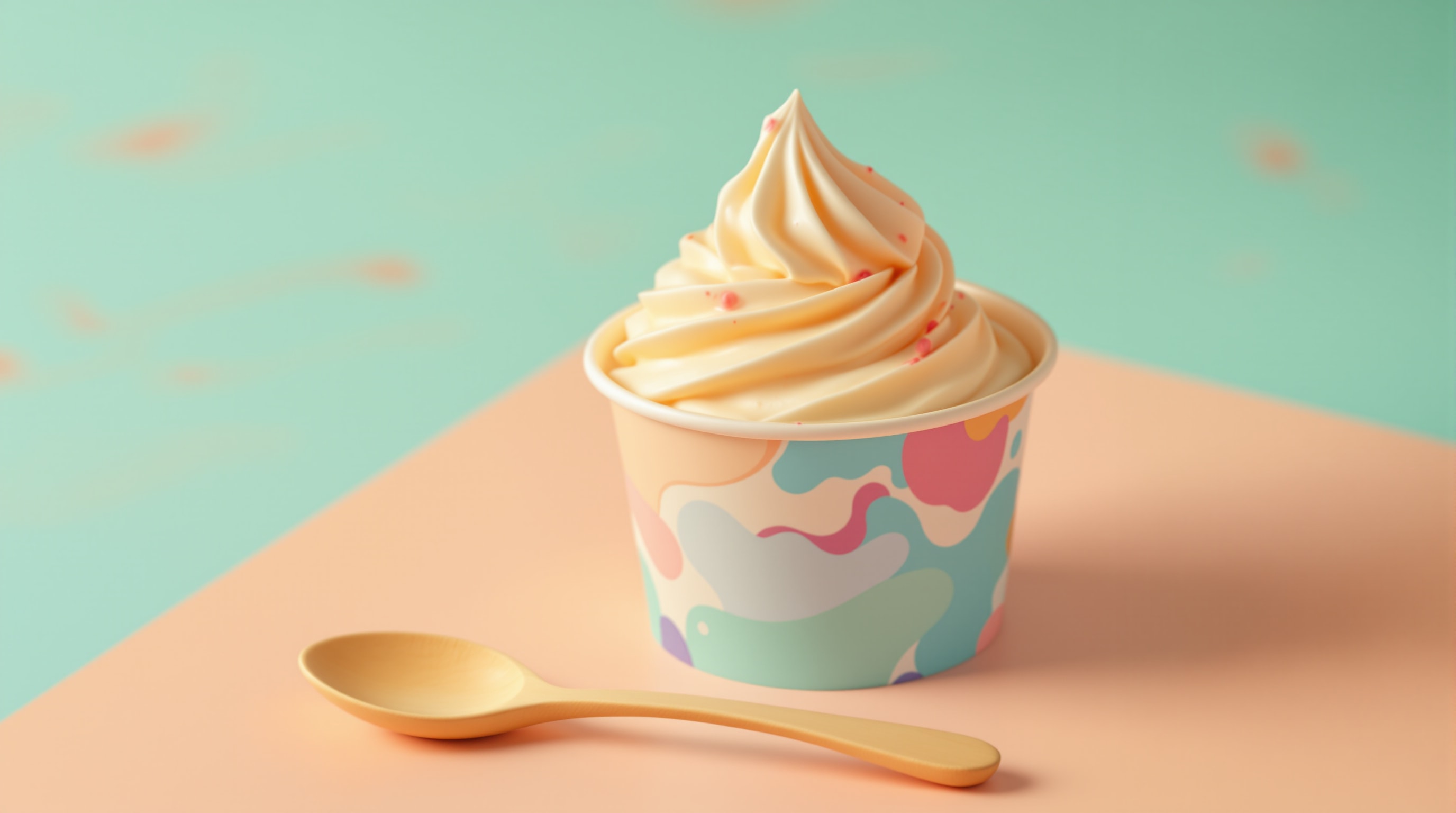
Frozen yogurt feels like a modern invention, but it stands on one of the oldest foods humans have made. To understand the swirl in your cup, it helps to start several thousand years before the first machine was ever plugged in.
Ancient Roots: Yogurt Itself
Yogurt has been part of human diets for more than 4,000 years, most likely discovered by accident when milk stored in warm climates fermented into something tangy, thick, and remarkably long-lasting. Cultures across Central Asia, the Middle East, and the Mediterranean each developed their own traditions of fermenting milk. What they were making, without knowing the microbiology, was a food teeming with beneficial bacteria — the same cultures we prize today.
The 1970s Health Craze
Frozen yogurt as a commercial dessert is far younger. It arrived in the United States in the 1970s, riding the decade's growing interest in health foods. Early versions were tart and polarizing — some eaters found them closer to sour cream than dessert — and manufacturers responded by sweetening recipes and softening the tang. By the 1980s, chains had made soft-serve frozen yogurt a mainstream mall staple, marketed as the guilt-free alternative to ice cream.
The Tart Revival and the Self-Serve Boom
The dessert's biggest moment came in the late 2000s. A new wave of shops reintroduced the original tart, tangy style — unapologetically sour, often served plain to show off the yogurt itself — and paired it with a self-serve model that let customers pour their own cups and pile on their own toppings. The combination was a sensation. For a few years, brightly colored self-serve shops seemed to open on every corner, and "froyo" entered everyday vocabulary. You can read how that model actually works in our guide to self-serve frozen yogurt.
Boom, Bust, and Steady State
Like many food crazes, the self-serve froyo boom outran demand. Markets that had sprouted a dozen shops could not sustain them all, and a wave of closures followed in the mid-2010s. What remained was a healthier, steadier industry: a mix of surviving self-serve shops, traditional soft-serve counters, and a thriving grocery-freezer category. Frozen yogurt did not disappear — it simply settled into the dessert landscape as a permanent, if less frenzied, fixture.
Why the History Matters
Knowing the arc — ancient cultured milk, 1970s health food, 2000s self-serve spectacle — explains the frozen yogurt you meet today. The tang is a nod to those first fermenters; the health framing is a legacy of the 1970s; the toppings bar is pure 2000s. For more on the living cultures at the heart of it all, see live and active cultures, or brush up on frozen yogurt fun facts. The Smithsonian's magazine and food historians have chronicled how quickly a niche health food became a cultural phenomenon.